
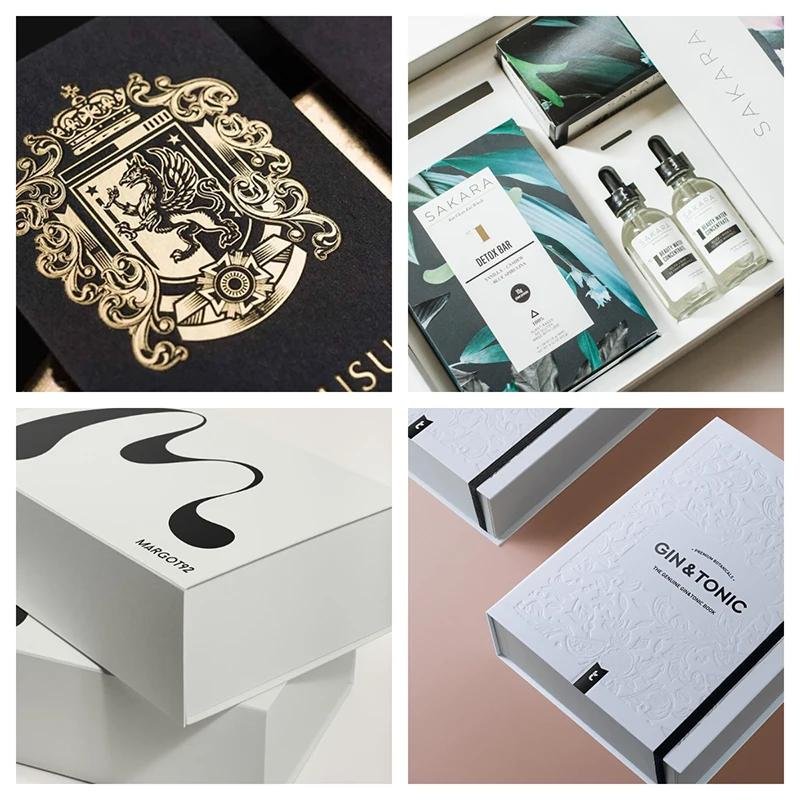
Logo Design vs Brand Identity: What’s the Difference?
Introduction
In today’s highly competitive business environment, creating a memorable brand is more important than ever. Whether you’re launching a startup, running a small local business, or managing a large company, your brand plays a crucial role in how customers perceive and remember you. However, many business owners often confuse logo design with brand identity, assuming they are the same thing.
While both are essential components of branding, they serve very different purposes. A logo is a visual representation of your business, whereas brand identity encompasses the complete visual, emotional, and communicative experience customers have with your company.
Understanding the difference between logo design and brand identity is critical for building a strong and successful brand. In this article, we’ll explore what each term means, how they differ, and why both are important for business growth.
What is a Logo?
A logo is a graphic symbol, icon, text, or combination of elements that represents a business or organization. It acts as a visual identifier that helps people instantly recognize a company.
Think of famous brands such as Apple, Nike, McDonald’s, or Adidas. Their logos are instantly recognizable worldwide. A well-designed logo creates a strong first impression and helps customers remember your business.
Main Functions of a Logo
A logo serves several important purposes:
- Creates brand recognition
- Makes a memorable first impression
- Differentiates your business from competitors
- Represents professionalism
- Builds trust and familiarity
A logo is often the first thing customers notice about your business. It appears on websites, social media profiles, business cards, packaging, advertisements, and marketing materials.
Types of Logos
There are different types of logos businesses can choose from:
Wordmark Logos
These use the company name in a unique typography style.
Examples:
- Coca-Cola
- Visa
Lettermark Logos
These use initials or abbreviations.
Examples:
- IBM
- HBO
- CNN
Symbol or Icon Logos
These use a visual symbol without text.
Examples:
- Apple
- Nike
Combination Logos
These combine text and symbols.
Examples:
- Burger King
- Adidas
Regardless of style, the primary purpose of a logo remains the same: helping customers identify and remember your brand.
What is Brand Identity?
Brand identity is much broader than a logo. It includes every visual and emotional element that shapes how customers perceive your business.
Brand identity represents the personality of your company. It communicates who you are, what you stand for, and how you want people to feel when they interact with your brand.
Simply put:
A logo is part of brand identity, but brand identity is much more than a logo.
Elements of Brand Identity
A complete brand identity includes:
Logo
The visual symbol of your company.
Color Palette
The set of colors consistently used across all branding materials.
Typography
The fonts used in your website, marketing materials, advertisements, and social media.
Photography Style
The type of images and visual aesthetics associated with your brand.
Graphic Elements
Icons, illustrations, patterns, and supporting visual assets.
Brand Voice
The way your business communicates with customers.
Messaging
Your slogans, taglines, mission statements, and marketing messages.
Customer Experience
The feelings and experiences customers have when interacting with your brand.
Together, these elements create a unique and recognizable identity that distinguishes your business from competitors.
The Key Difference Between Logo Design and Brand Identity
A simple analogy can help explain the difference.
Imagine a person:
- Their face is the logo.
- Their personality, behavior, values, voice, and reputation are the brand identity.
The face helps people recognize them.
The personality determines how people remember them.
The same principle applies to businesses.
Logo Design
- Visual identifier
- Helps recognition
- One element of branding
- Focuses on appearance
Brand Identity
- Complete brand experience
- Shapes perception
- Includes visual and emotional elements
- Focuses on personality and communication
A logo may attract attention, but brand identity builds trust and loyalty.
Why a Logo Alone Isn’t Enough
Many businesses invest heavily in logo design but neglect the rest of their branding strategy.
A beautiful logo is valuable, but it cannot carry an entire brand on its own.
Consider two businesses:
Business A
Has an excellent logo but:
- Inconsistent colors
- Unprofessional social media
- Confusing messaging
- Poor customer service
Business B
Has a professional logo and:
- Consistent visual branding
- Strong online presence
- Clear messaging
- Excellent customer experience
Most customers will trust and remember Business B.
This happens because customers don’t just interact with logos. They interact with the entire brand experience.
Why Brand Identity Matters
Builds Trust
Customers are more likely to purchase from businesses that appear professional and consistent.
A strong brand identity creates confidence and credibility.
Improves Recognition
Consistent branding helps customers recognize your business across multiple platforms.
Whether they see your website, social media page, advertisement, or business card, they instantly know it’s your brand.
Creates Emotional Connections
People often buy based on emotions rather than logic.
Strong brands create emotional bonds with customers through storytelling, values, and experiences.
Supports Marketing Efforts
Marketing becomes more effective when every campaign reflects a consistent identity.
A strong brand identity ensures that all marketing efforts reinforce the same message.
Increases Customer Loyalty
Customers are more likely to remain loyal to brands they trust and connect with emotionally.
Components of a Strong Brand Identity
Brand Colors
Colors influence customer emotions and perceptions.
Examples:
- Blue = Trust and reliability
- Red = Energy and excitement
- Green = Growth and sustainability
- Black = Luxury and sophistication
- Gold = Premium quality
Consistent use of colors strengthens brand recognition.
Typography
Fonts communicate personality.
For example:
- Serif fonts suggest tradition and authority.
- Sans-serif fonts appear modern and clean.
Consistent typography contributes to a professional appearance.
Brand Voice
Every brand has a unique communication style.
Examples include:
- Professional
- Friendly
- Inspirational
- Luxury
- Casual
Maintaining a consistent tone helps customers connect with your business.
Visual Consistency
All marketing materials should follow the same visual guidelines.
This includes:
- Social media posts
- Website design
- Advertisements
- Business cards
- Packaging
Consistency makes your brand more recognizable and trustworthy.
Real-World Examples
Apple
Apple’s logo is simple and recognizable.
However, what truly makes Apple successful is its complete brand identity:
- Minimalist design
- Premium experience
- Consistent messaging
- Innovative reputation
Nike
Nike’s famous swoosh logo is powerful.
But its brand identity includes:
- Motivational messaging
- Strong storytelling
- Athletic culture
- Consistent visual branding
The logo alone does not create the brand’s success.
The entire identity does.
Common Mistakes Businesses Make
Focusing Only on the Logo
Many businesses spend weeks designing a logo but ignore branding strategy.
Inconsistent Visual Design
Using different colors, fonts, and styles across platforms confuses customers.
Lack of Brand Guidelines
Without clear guidelines, branding becomes inconsistent.
Ignoring Brand Voice
Different tones of communication across channels weaken brand recognition.
Copying Competitors
Strong brands stand out.
Copying competitors makes it harder to establish a unique identity.
How to Build a Strong Brand Identity
Step 1: Define Your Mission
Understand what your business stands for.
Step 2: Identify Your Target Audience
Know who you’re trying to reach.
Step 3: Create a Professional Logo
Design a logo that reflects your brand values.
Step 4: Choose Brand Colors and Typography
Select visual elements that align with your personality.
Step 5: Develop Brand Guidelines
Create standards for consistency.
Step 6: Establish Your Brand Voice
Define how your business communicates.
Step 7: Maintain Consistency
Apply your branding consistently across all channels.
Conclusion
Logo design and brand identity are closely related but fundamentally different. A logo is a visual symbol that helps customers recognize your business, while brand identity is the complete experience that shapes how customers perceive and remember your brand.
Think of your logo as the face of your business and your brand identity as its personality. While a strong logo can capture attention, a powerful brand identity builds trust, strengthens customer relationships, and drives long-term business success.
Businesses that invest in both logo design and brand identity create stronger connections with customers, stand out from competitors, and establish a foundation for sustainable growth.
Call to Action
Ready to Build a Brand That Stands Out?
A great logo is just the beginning. Create a powerful brand identity that attracts customers, builds trust, and drives business growth.
At Sinan Digital Marketing, we help businesses create memorable brands through professional logo design, branding strategies, website development, and digital marketing services.
📞 Contact us today for a free branding consultation and discover how we can transform your business into a brand people remember.
Your Logo Gets You Noticed. Your Brand Identity Gets You Chosen.